Joy to the World Christmas Tree Review
As an experienced embroidery designer who has spent countless weekends prepping booths for local craft fairs, I know that the difference between a display that gathers dust and one that sells out is often just one design choice. When Joy to the World Christmas Tree landed in my inbox, I immediately started visualizing it on my production line. The description promises a "cool" design with a "playful and fanciful accent," which are high-stakes keywords for the holiday season. In this review, I am breaking down exactly how this machine embroidery design performs when transformed into real-world products for handmade market sellers, Etsy shops, and boutique makers.
First Impressions: Bold Playfulness Meets Holiday Charm
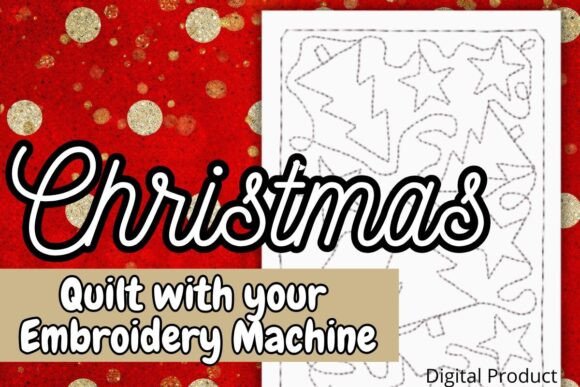
The moment you read the title and the tagline about adding flair to fabrics, Joy to the World Christmas Tree suggests a design that is not trying too hard to be traditional or stuffy. It feels modern yet festive, leaning heavily into the "fanciful" aspect mentioned in the product details. For a craft fair seller, this mood is gold. Customers at markets are looking for items that spark joy and conversation, and a design described as playful usually translates to high engagement. It does not feel like a generic clip-art tree; the language implies character. Whether it leans rustic or elegant will depend on your thread choices, but the core concept screams approachable and fun, making it perfect for gift-giving categories.
Product Potential: Where This Design Shines
To determine if Joy to the World Christmas Tree is worth stocking in bulk, we have to look at where it fits best on the physical product spectrum. My initial assessment points to several high-velocity categories:
- Tote Bags and Market Bags: This is the crown jewel for this design. A tote bag serves as a walking billboard for your brand. Placing Joy to the World Christmas Tree on a canvas tote creates an immediate focal point. It is large enough to show off the "flair" but small enough to remain practical for daily use. The contrast of the embroidery against natural canvas makes the colors pop, ensuring customers notice it from across the booth.
- Apron Embroidery: For the home cook or the baker selling goods at a market, an apron featuring this design is a premium upsell. The playful nature of the design works wonderfully on kitchen aprons, transforming a utilitarian item into a statement piece. It adds a touch of personality that buyers love for their own kitchens or as gifts for hosts.
- Tea Towel Embroidery: Tea towels are a staple of the handmade market. Because they are flat and often white or neutral, they provide the perfect canvas for the "touch of flair" promised by the design. The texture of the towel absorbs light differently than smooth fabric, giving the stitches a rich depth that photographs beautifully for online listings.
- Embroidered Patches and Caps: If you are looking to create smaller, lower-priced impulse buys, this design can be scaled down effectively. On a cap, it sits perfectly on the front panel, offering a subtle nod to the holidays without being overwhelming. As a sew-on patch, it allows customers to customize their own jackets or beanies, expanding the utility of the finished product.
- Pillow Covers and Home Decor: For the home decor angle, this design elevates standard throw pillows. It turns a basic linen pillow into a seasonal centerpiece. The "fanciful accent" description suggests it pairs well with various textures, from velvet to chunky knit, allowing you to target different price points in your shop.
Production Practicality: Batch Making and Photography
When running a small business, efficiency is everything. Can you produce Joy to the World Christmas Tree quickly enough to meet holiday demand? Based on the description of it being a "machine embroidery design" meant for t-shirts and towels, it likely balances detail with speed. However, the key to selling this at scale lies in how it photographs. A design that looks good under studio lights must also look great in natural sunlight, which is crucial for Etsy sellers and digital embroidery file marketers creating printable mockups.
The design needs to hold its shape when digitized for batch production. If the stitch density is too high, the fabric might pucker on thin cotton tees, ruining the "playful" vibe. Conversely, if it is too sparse, it may lack the "premium" feel required for higher-end boutiques. Ideally, this design should work as both a small accent on a pocket or a larger focal point on a chest or back. This versatility means you can offer variations without needing entirely new files, maximizing your return on investment for the digital asset.
Critical Considerations and Careful Use Notes
Before you commit to mass-producing Joy to the World Christmas Tree, there are specific technical hurdles you must address. As a professional, I cannot stress enough the importance of testing before selling. First, examine the stitch density. Dense areas can sometimes lose clarity on textured towels or thick denim, so ensure the design remains crisp on your chosen substrate. Tiny details, if present, might get lost on curved surfaces like caps or small pouches, so test those dimensions carefully.
Fabric texture plays a massive role in the final look. While a smooth tee shirt provides a clean background, a heavily textured fabric might hide the intricate parts of the design. Additionally, thread contrast is vital. If you are using dark fabric, ensure the thread colors selected are vibrant enough to stand out against the background. You do not want the "joy" of the design to get swallowed by the material. Also, confirm the hoop size requirements. If the design requires a large hoop, it limits the types of garments you can embroider, potentially restricting your product line to larger items like bags and pillows rather than fitted apparel.
Designer's Checklist for Success
To ensure Joy to the World Christmas Tree delivers on its promise of quality and appeal, follow these essential steps before hitting the sales floor:
- Test on Scrap Fabric: Never skip the scrap run. Stitch the design on the exact fabric type you plan to sell to check for puckering, tension issues, or color shifts.
- Check Thread Contrast: Lay out your thread palette against the fabric. Does the design pop? Is it readable?
- Review Spacing and Hoop Size: Ensure the design fits within your standard hoop sizes for efficient production. Adjust placement if necessary to avoid seam lines or awkward spots.
- Inspect Stitch Density: Look closely at the fill stitches. Are they too tight? Do they distort the fabric grain?
- Select the Right Stabilizer: Heavy designs need heavy stabilizers. Using the wrong backing can ruin the drape of a tea towel or the structure of a cap.
- Create Real Mockups: Don't rely solely on digital renders. Create at least one real sample to photograph for your Etsy listing or social media. Buyers trust photos of actual products over generated images.
- Compare Fabric Colors: Test the design on multiple fabric shades. A design that looks amazing on white might look muddy on navy blue.
- Confirm Commercial Licensing: Before selling any finished products, verify the commercial licensing terms of the digital embroidery file. This protects your business and ensures you have the right to resell the items.
Final Verdict: A Strong Contender for Your Booth
Joy to the World Christmas Tree has all the makings of a bestseller for craft fair sellers and creative entrepreneurs. Its playful tone aligns perfectly with the current demand for unique, handcrafted items that bring happiness to homes. By focusing on high-quality execution—paying attention to stabilizer choices, thread selection, and fabric texture—you can turn this simple design into a premium product line. Whether you are selling embroidered patches, apron embroidery, or tote bag designs, this file offers the versatility needed to capture customer attention and drive sales. Just remember to test thoroughly, respect the technical limitations of the digitization, and let the "fanciful accent" shine through in every finished product.