Softball: A Designer's Review for Small Business Merch
As an experienced embroidery designer who has spent years refining the art of turning digital files into tangible brand assets, I approach every new design with a critical eye. When evaluating Softball, I am not just looking at a sports motif; I am assessing its viability as a core component of a small business's visual identity. The description promises a "fun and whimsical touch" suitable for t-shirts, towels, and home decor, but does it hold up under the rigorous demands of commercial production? In this review, I will dissect how this machine embroidery design performs when applied to branded patches, staff uniforms, and custom apparel.
First Impressions: Personality and Brand Fit
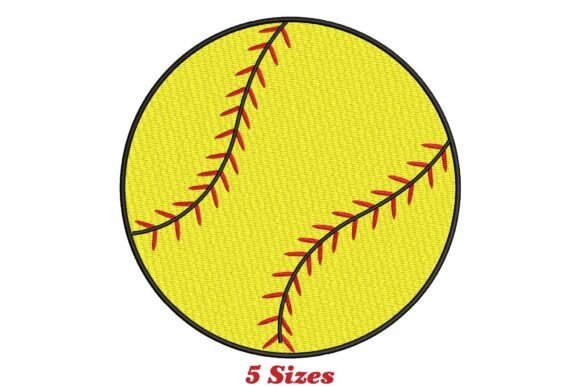
The moment I reviewed the preview for Softball, the first impression was one of approachable energy. The description highlights a "charming" and "whimsical" nature, which suggests that this design is less about rigid athletic precision and more about community spirit and fun. For a small business owner, this distinction is vital. This design feels friendly rather than corporate, making it ideal for bakeries, florists, pet brands, or creative studios that want to project a handmade, welcoming vibe.
It possesses a playful elegance that can elevate a simple tote bag design or add personality to a boutique merchandise line. Unlike stark, geometric logos, Softball brings a sense of narrative to the finished product. It implies movement and joy, which are powerful emotional triggers for customers. However, designers must remember that "whimsical" requires careful execution to avoid looking amateurish. The success of this design in a professional setting depends entirely on thread colors, stitch density, and the quality of the fabric texture chosen.
Real-World Applications for Small Business Merch
In my experience working with Etsy sellers and craft business assets, versatility is the currency of success. Softball offers several compelling avenues for commercial embroidery projects beyond standard team jerseys.
- Embroidered Patches: One of the most lucrative uses for this design is creating sew-on or iron-on embroidered patches. These serve as excellent branding tools for apron embroidery or cap embroidery. A small patch featuring Softball can be attached to the chest of a work shirt or the back of a denim jacket, offering a durable way to showcase your brand without overwhelming the garment.
- Staff Uniforms and Aprons: For cafes or local shops, consistency builds trust. Applying this design to the pocket area of a uniform or the bib of an apron creates a cohesive look. It signals that the staff takes pride in their work while maintaining a relaxed, customer-friendly atmosphere.
- Tote Bag Design: Tote bags are a staple of handmade product marketing. Placing Softball centrally on a canvas tote or as a subtle detail on the strap transforms a generic bag into a branded asset. Customers carry these bags everywhere, effectively becoming walking billboards for your business.
- Product Packaging Accents: Don't overlook packaging. Adding a small Softball motif to gift tags, box lids, or product labels adds a premium feel to the unboxing experience. It reinforces the idea that the item inside is crafted with care.
Strategic Considerations and Potential Pitfalls
While the potential is high, a professional designer knows where to exercise caution. Not every surface is suitable for every design file. When planning your commercial embroidery strategy, you must evaluate the limitations of the medium.
Small Patch Sizes: If you intend to create miniature patches, you must scrutinize the design details. Complex outlines or tiny lettering within the Softball file may become muddy or illegible when stitched at a reduced scale. Always test the design at its intended final size before mass production.
Curved Surfaces and Caps: Embroidering on the curved front of a cap requires specialized hoops and techniques. High stitch density can cause puckering on stiff cap materials if not managed correctly. Ensure the design layout accommodates the curvature of the hat to maintain a clean finish.
Fabric Texture and Dark Uniforms: The whimsical nature of this design relies on clear definition. On highly textured fabrics like heavy tweed or thick fleece, the stitches may sink into the material, losing their crisp edges. Furthermore, if you are embroidering on dark uniforms, you will need a robust underlay and potentially a higher thread count to ensure the colors pop against the background.
Wash Durability: For items like work shirts or aprons that undergo frequent washing, the stability of the design is paramount. Designs with loose satin stitches or long running stitches may snag or unravel over time. Verify that the file structure is dense enough to withstand industrial laundering cycles.
Impact on Brand Identity and Customer Trust
Your embroidered products are often the first physical interaction a customer has with your brand. A well-executed Softball design enhances brand identity by communicating professionalism and attention to detail. Conversely, a poorly executed design—showing loose threads, misalignment, or incorrect thread colors—can erode customer trust instantly.
When customers see a high-quality finished product, they perceive higher value in the goods you sell. Visual consistency across all touchpoints, from your website printable mockup to the actual embroidered patch, solidifies your reputation as a reliable creator. This consistency fosters buyer engagement and encourages repeat purchases, as customers associate your brand with quality craftsmanship.
Essential Designer Notes for Production
Before committing to a large run of custom apparel or branded merchandise, follow these practical steps to ensure success.
- Test in Black and White: Convert your digital embroidery file to grayscale first. This helps you visualize the contrast and density without the distraction of color. If the design lacks depth in black and white, adding color won't fix the underlying structural issues.
- Check Stitch Density: Review the file to ensure the stitch density is appropriate for the fabric. Too much density can make the fabric stiff and prone to tearing, while too little can result in a flimsy look.
- Select Proper Stabilizer: The choice of stabilizer is critical. Use a cut-away stabilizer for stretchy fabrics like caps and t-shirts to prevent distortion, and a tear-away for stable home decor items like towels.
- Confirm Hoop Size: Ensure your hoop size matches the dimensions of the design. Attempting to fit a large design into a small hoop can lead to cropping errors or registration issues.
- Create a Printable Mockup: Before stitching, generate a realistic mockup for client approval. This allows stakeholders to visualize the design on the specific garment or item, reducing the risk of costly mistakes.
- Verify Commercial Licensing: Most importantly, confirm that you have the correct commercial licensing rights to use this design file for resale. Using a design without proper authorization can lead to legal complications for your small business.
By treating Softball not just as a decorative element but as a strategic business tool, you can maximize its impact. Whether you are designing for a local café, a handmade shop, or a creative studio, paying attention to these technical and aesthetic details will ensure your embroidered merchandise stands out in a crowded market.